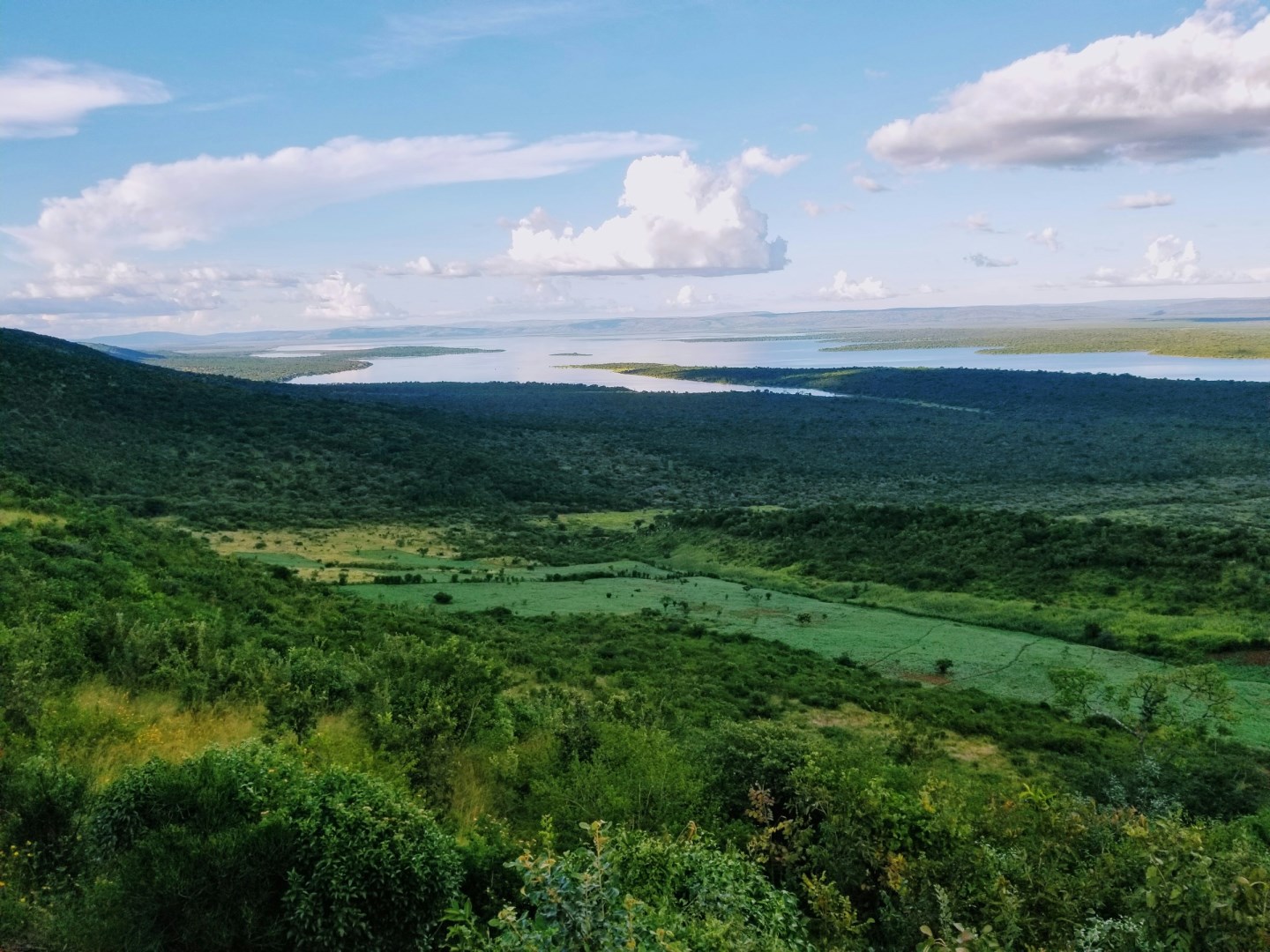
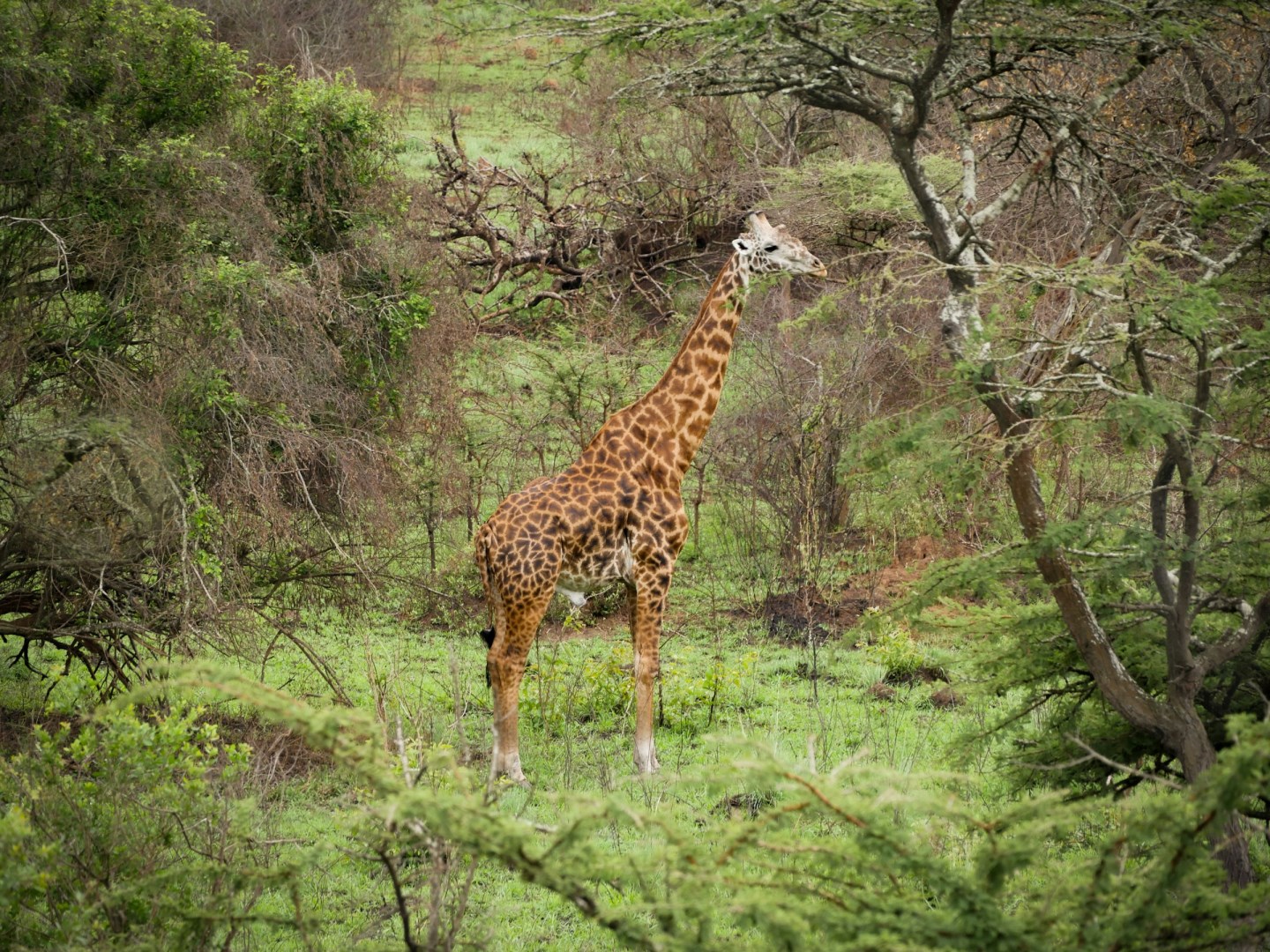
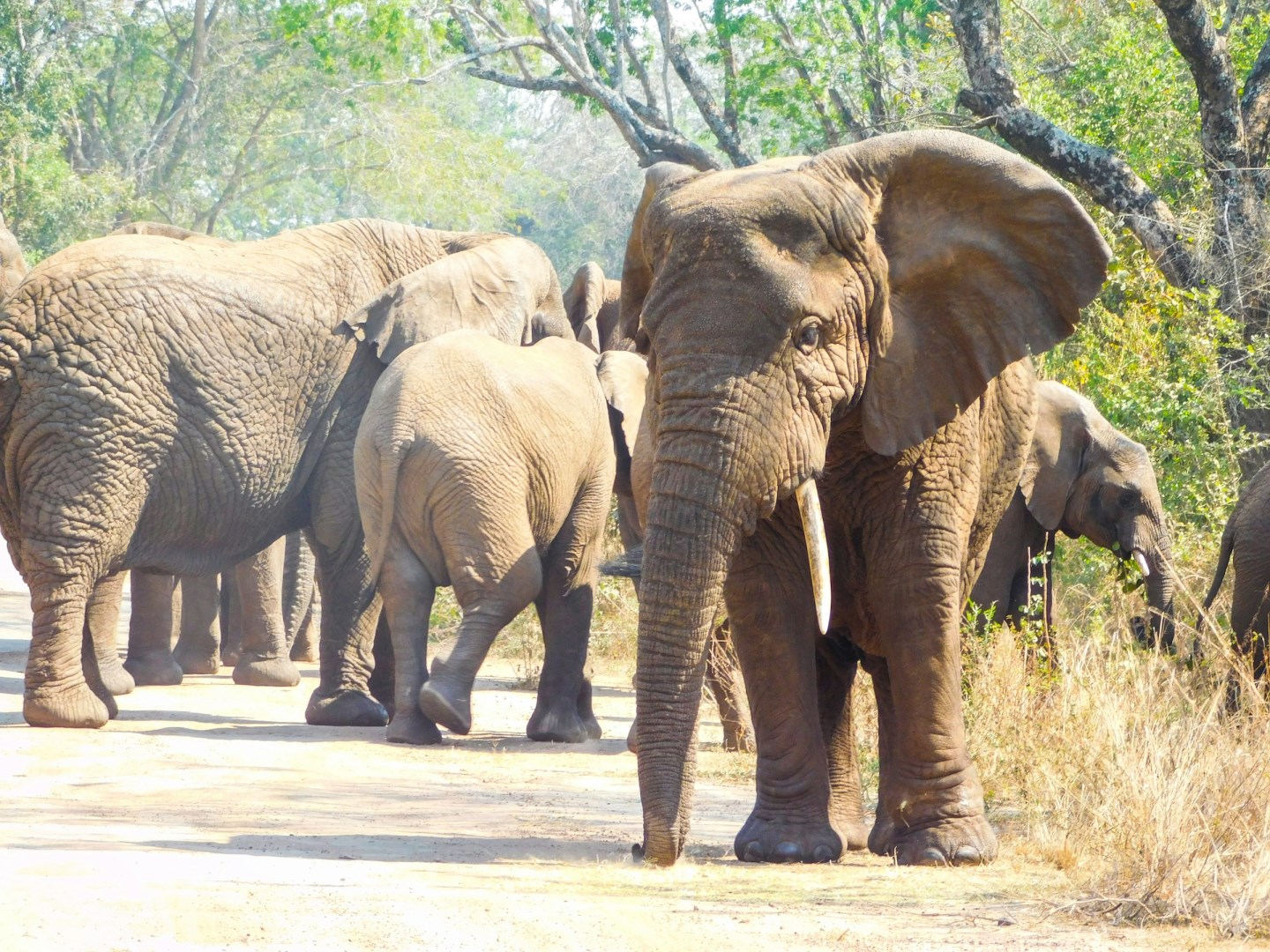
Akagera National Park occupies Rwanda’s northeastern corner along the border with Tanzania and is the country’s only protected savanna region. Its relatively low-lying landscape contains rolling hills, open grasslands, woodland, papyrus wetlands, and a chain of lakes connected by the Akagera River system. The park is Central Africa’s largest protected wetland and provides an important refuge for savanna wildlife in Rwanda. Its combination of dry plains and extensive water habitats creates a landscape quite different from the mountain forests and volcanic terrain found elsewhere in the country.
Akagera has a complex conservation history shaped by changes in land use, wildlife populations, and relationships with surrounding communities. Following severe losses of wildlife and a reduction in the park’s size, the Rwanda Development Board and African Parks established a joint management partnership to strengthen protection and restore the ecosystem. Conservation programs have included the return of lions and eastern black rhinos, along with large-scale efforts to restore other wildlife populations. Community programs now include employment, education, fisheries, and income-generating projects connected with the park.
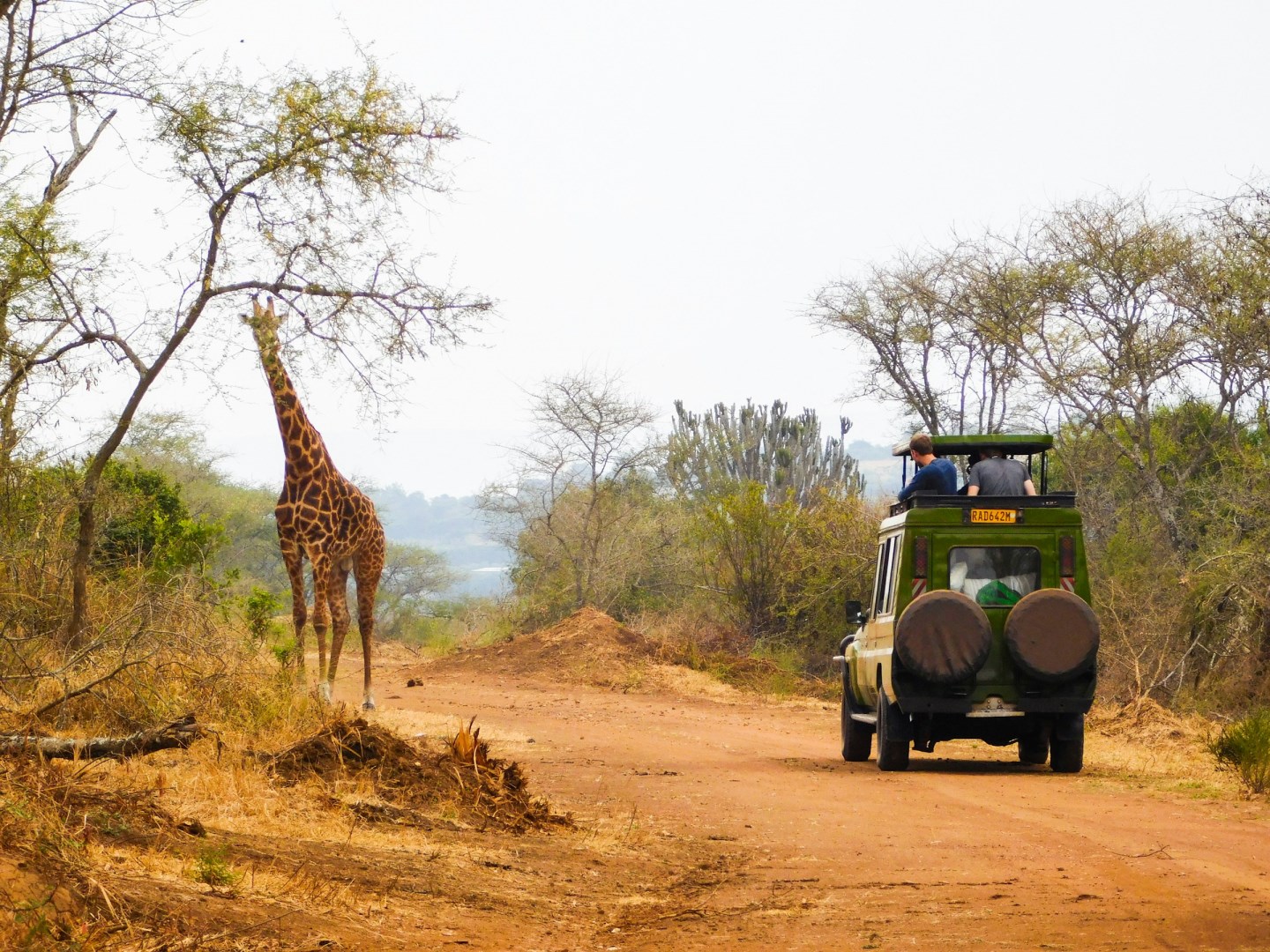
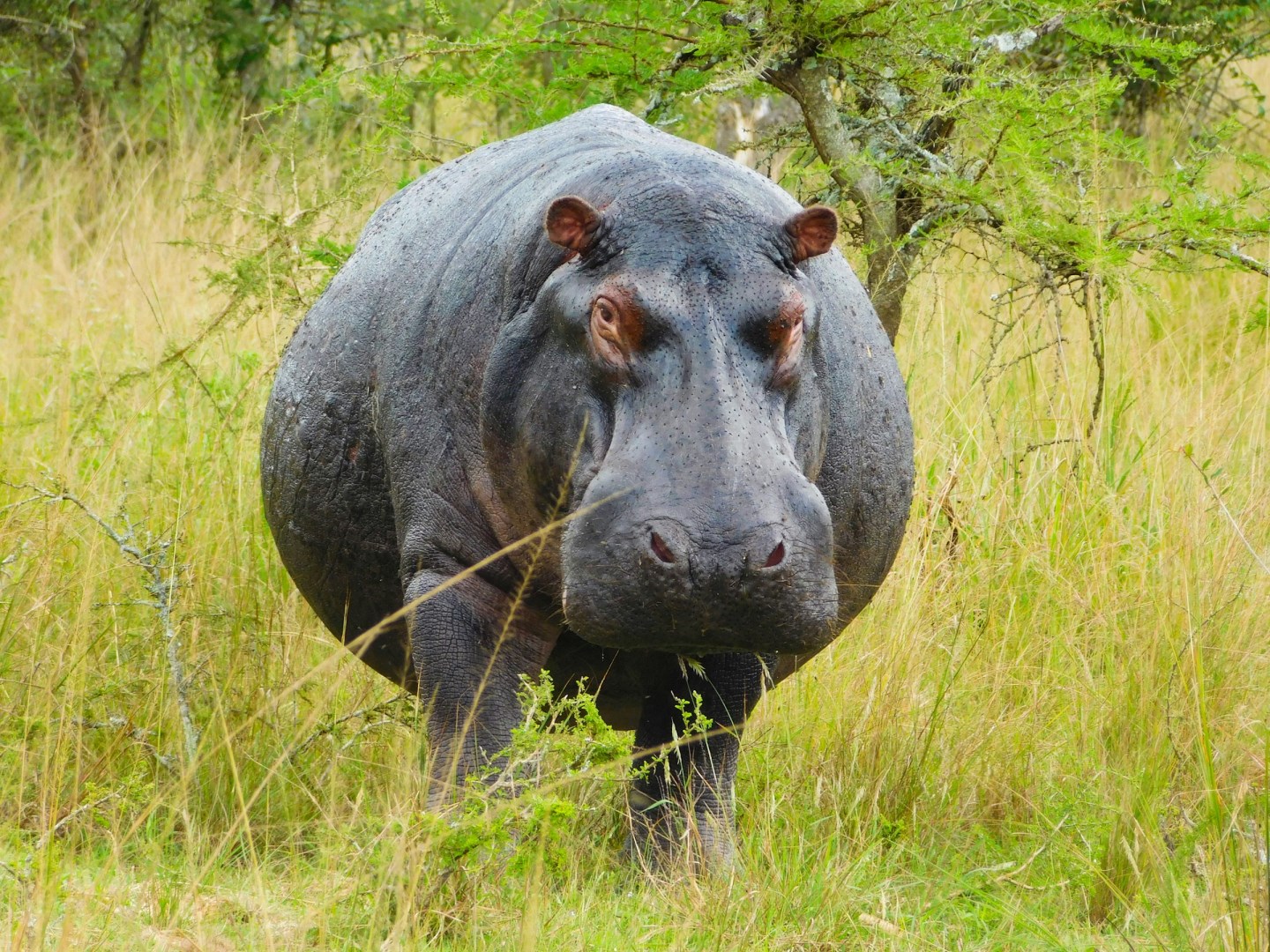
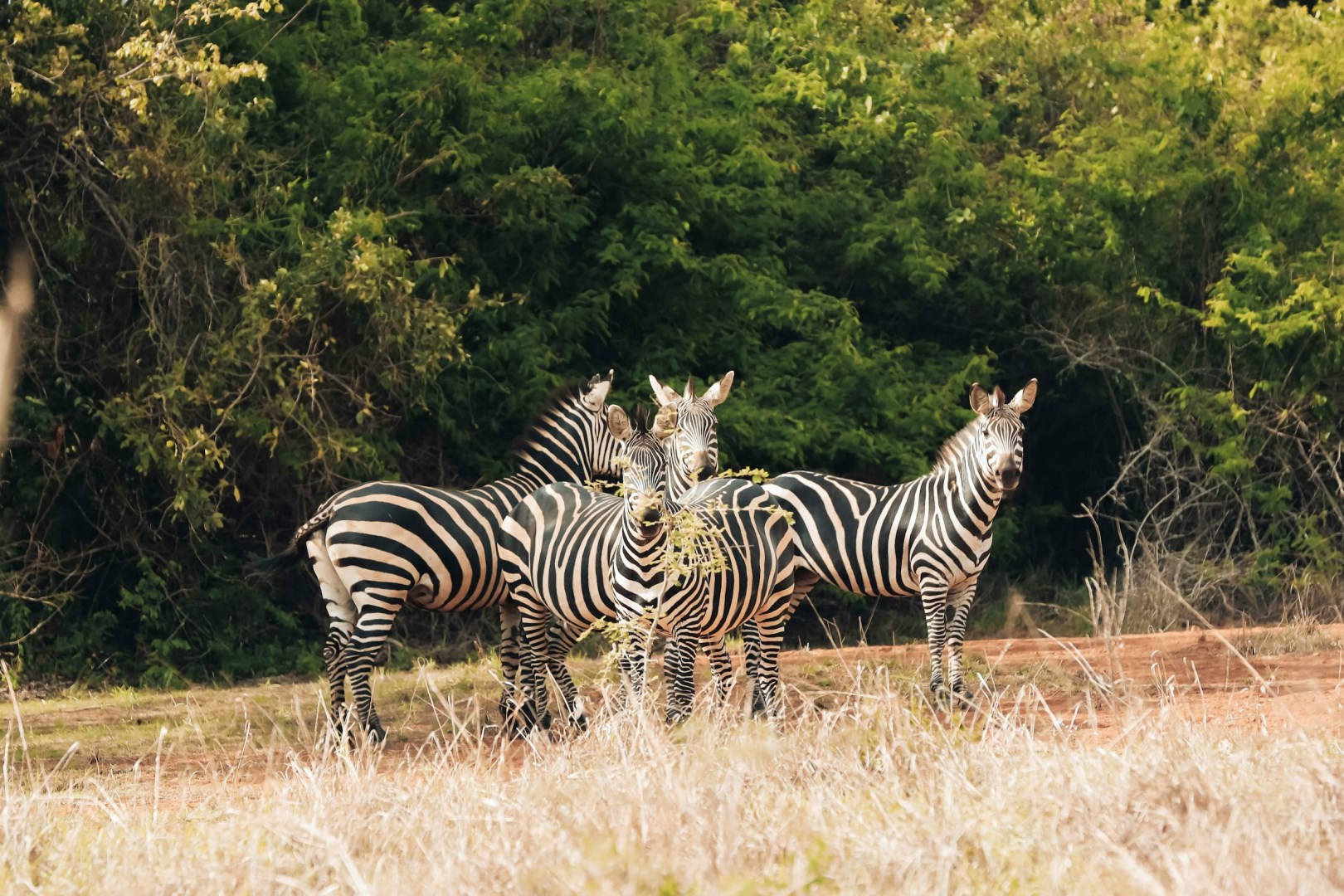
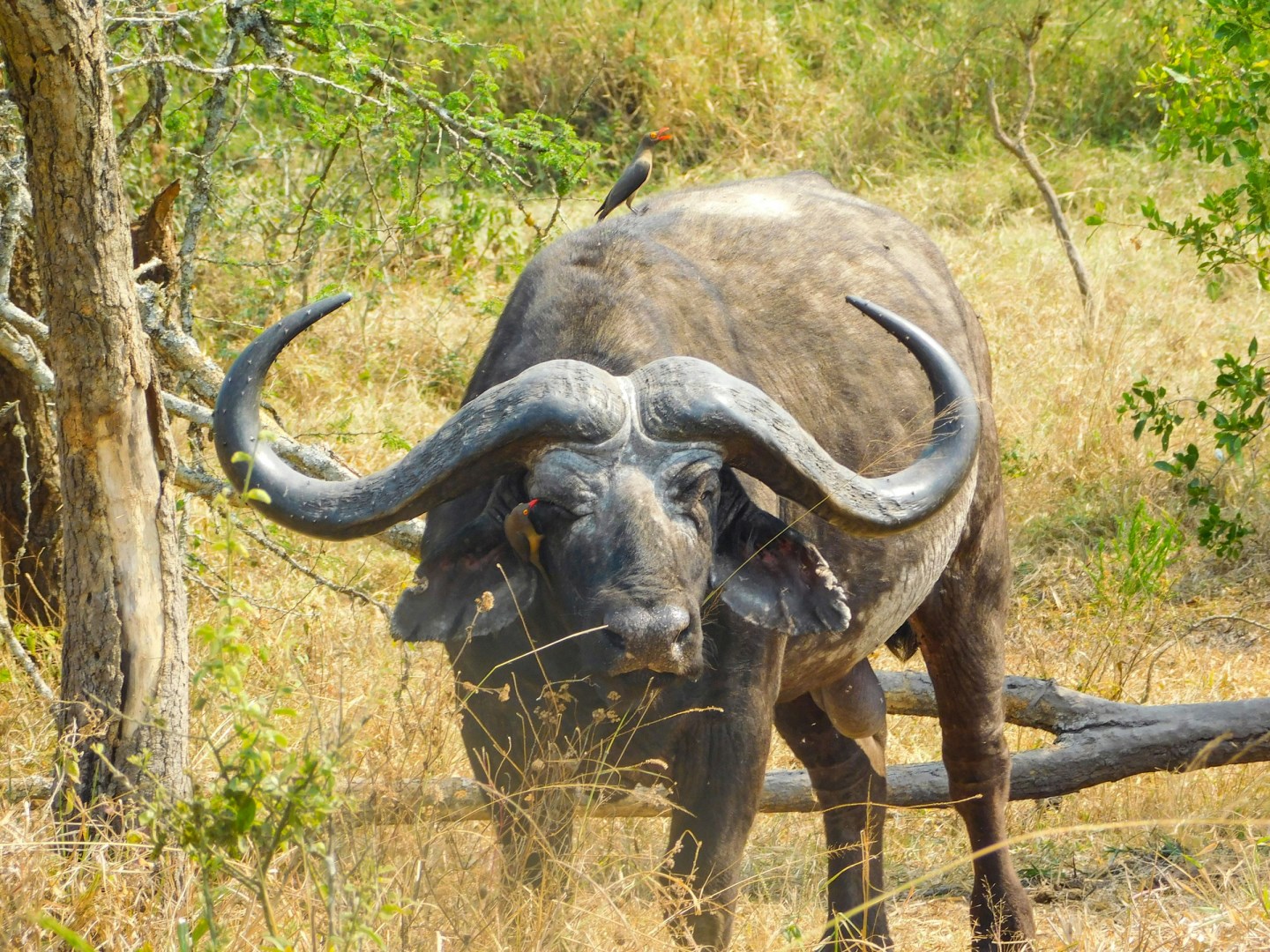
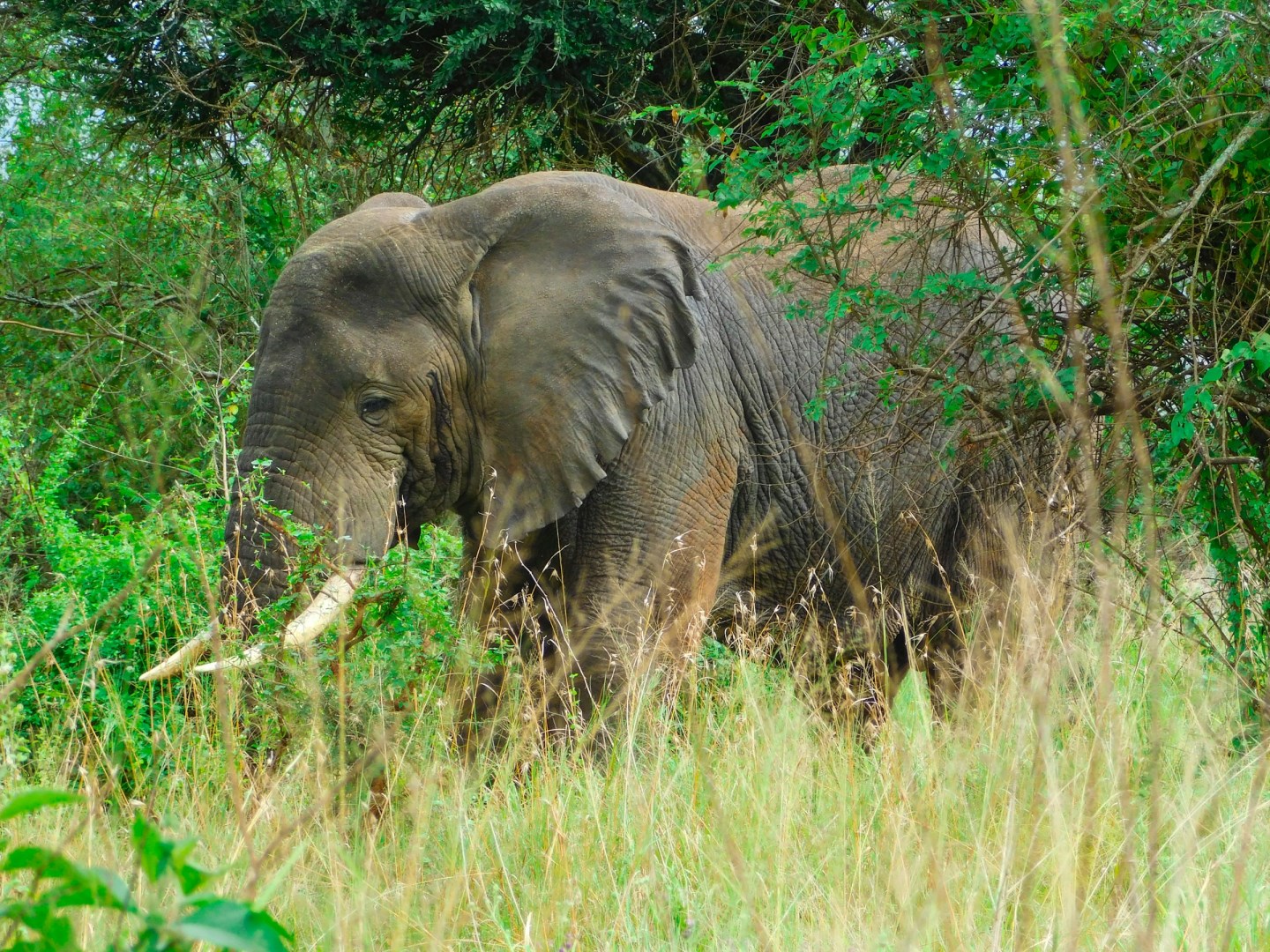
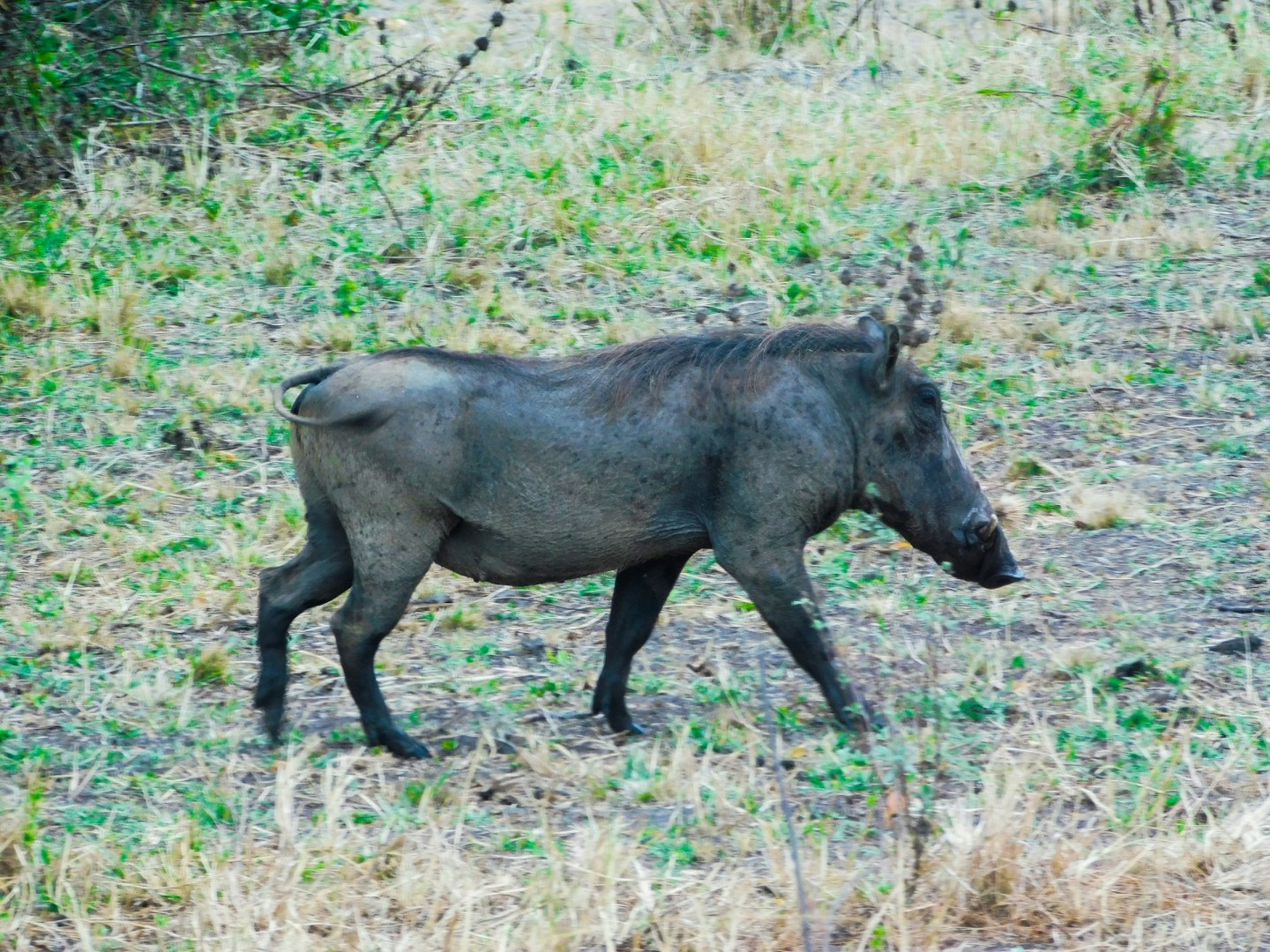
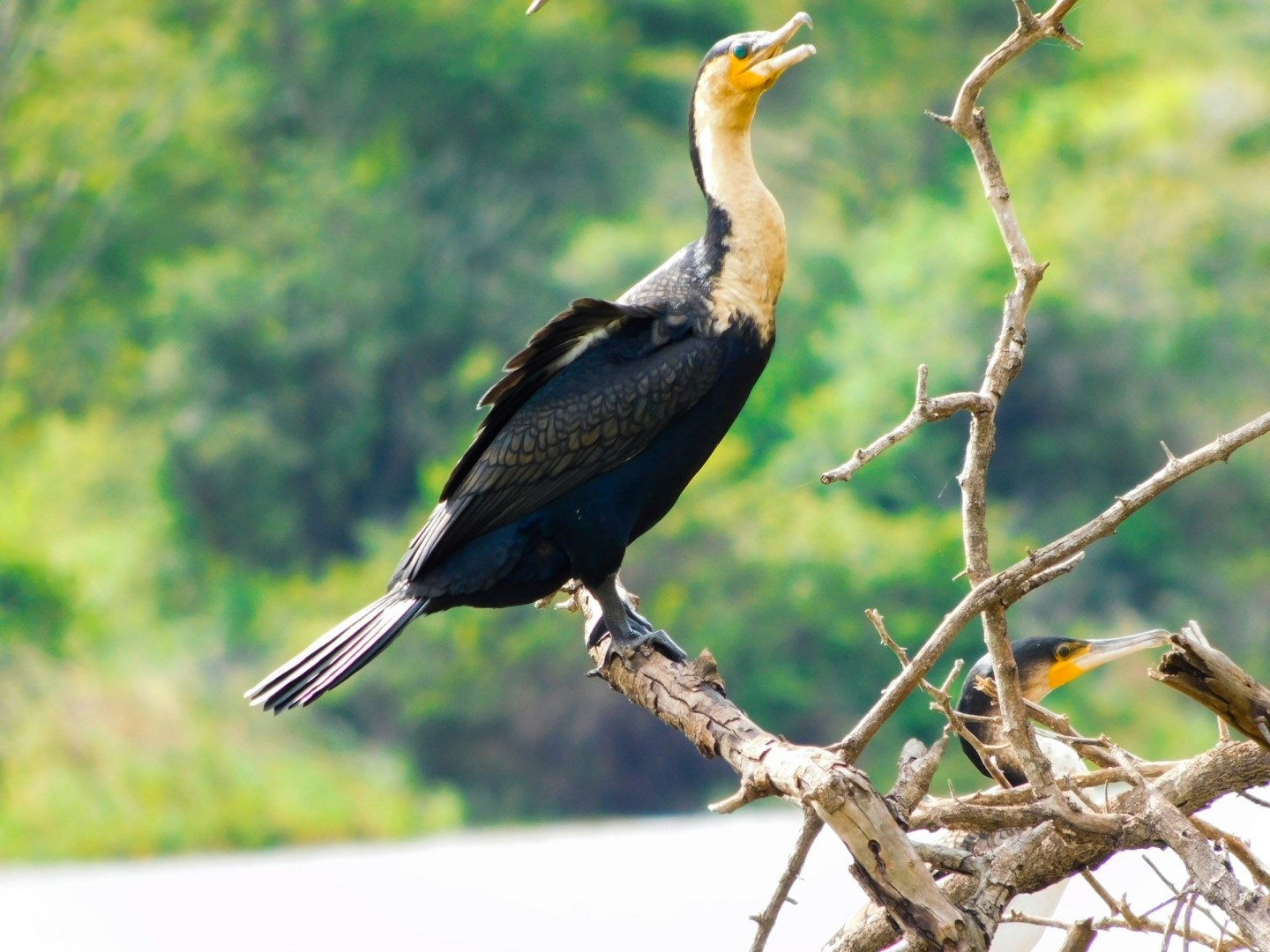
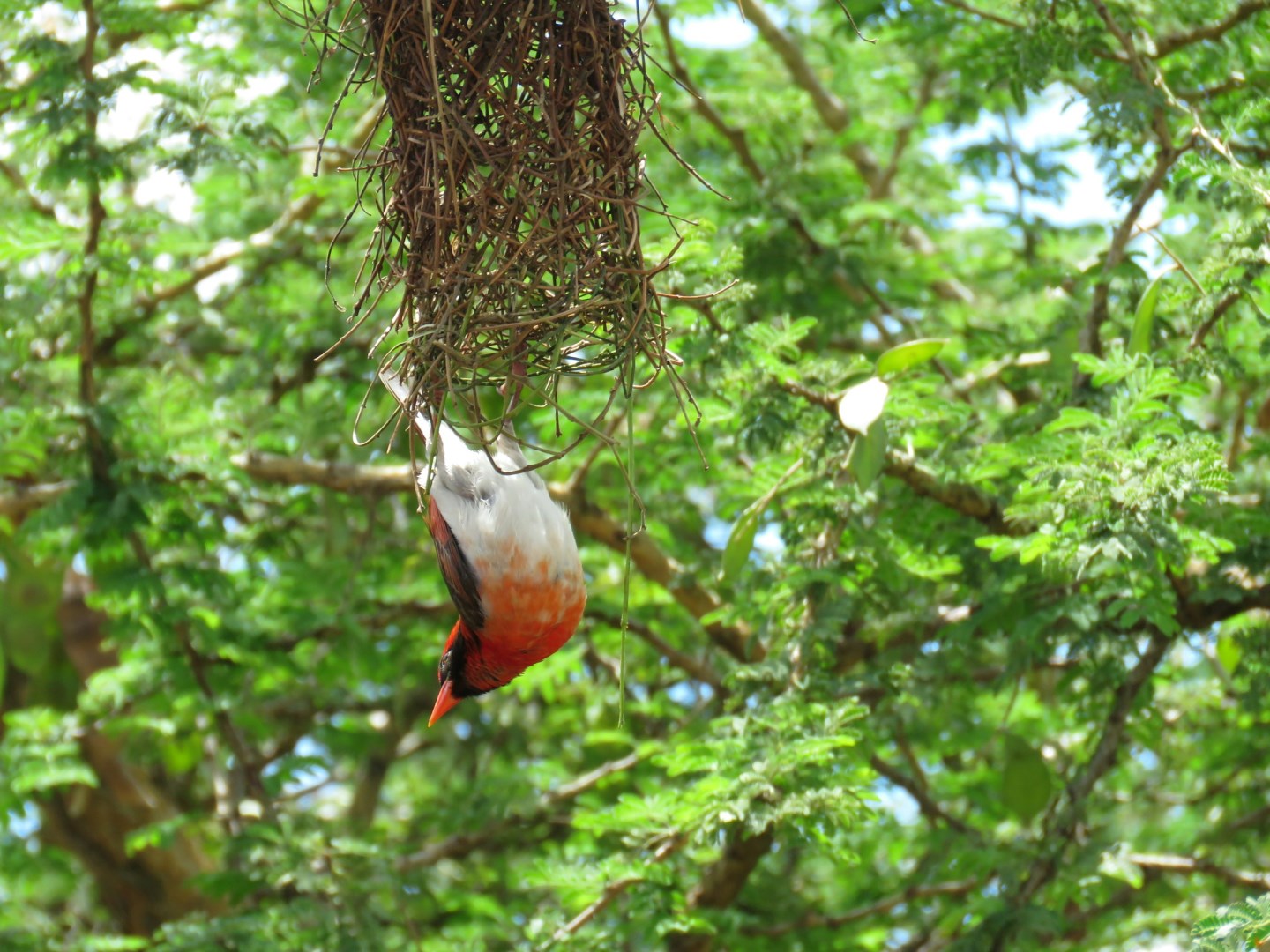
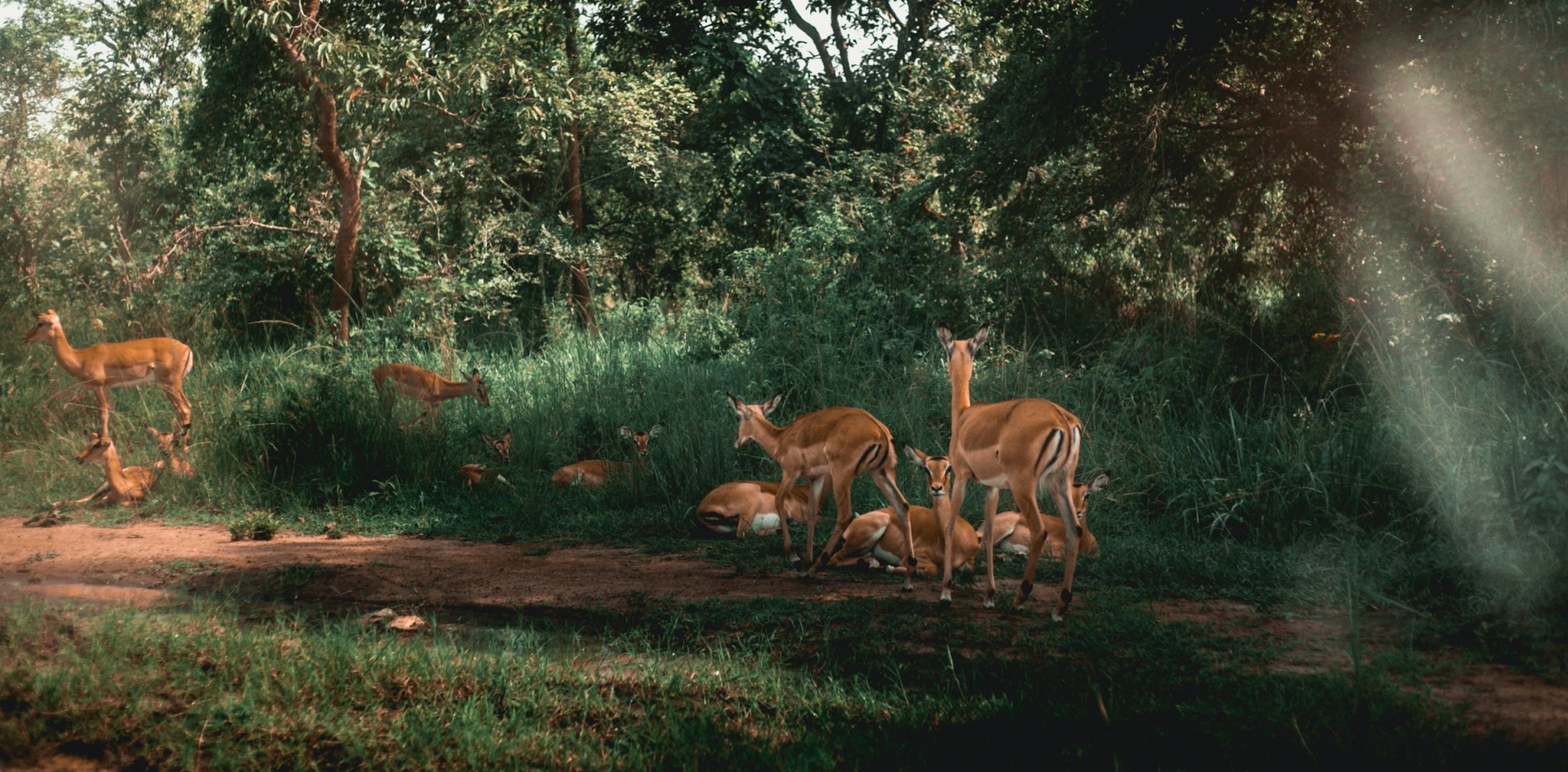
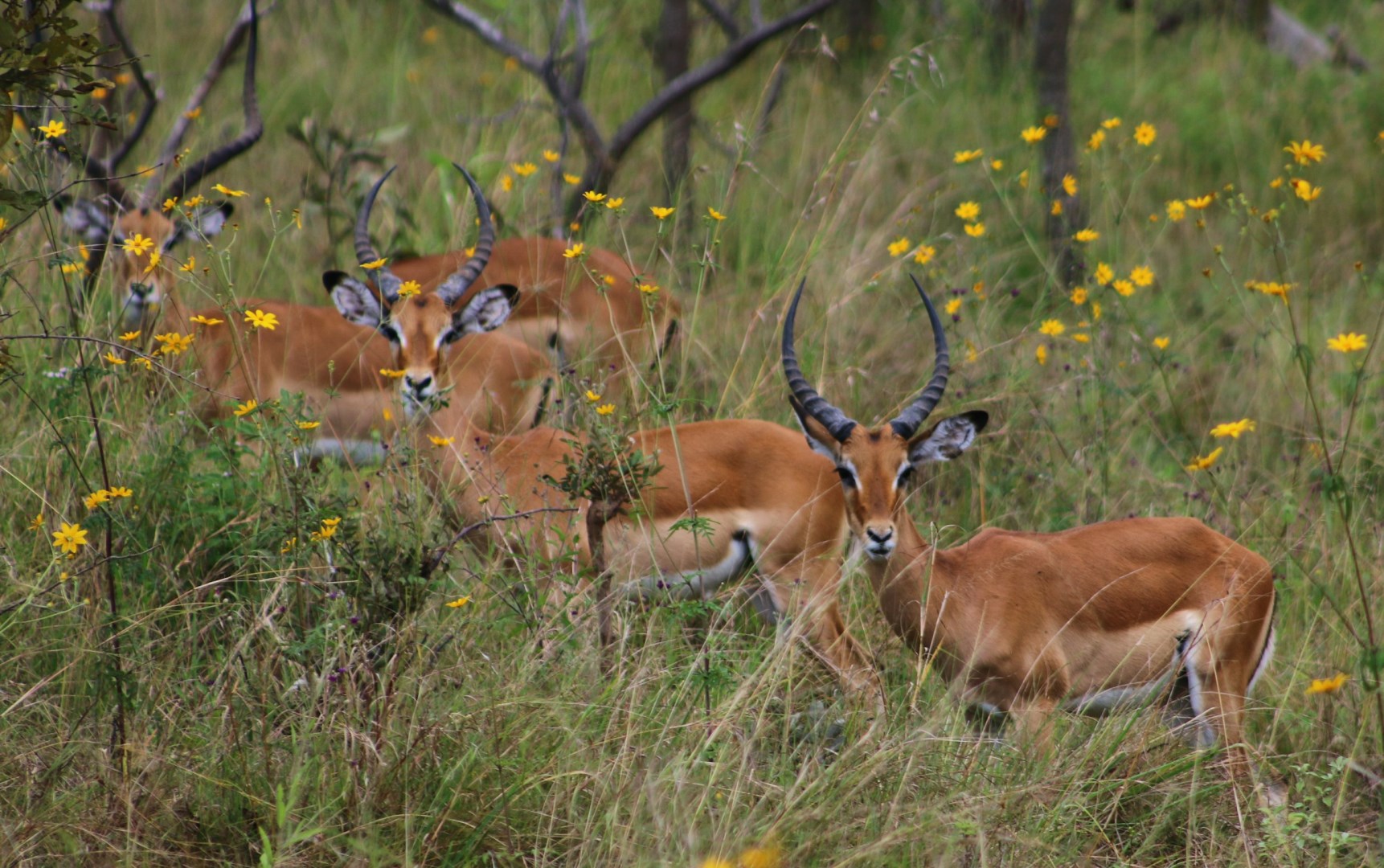
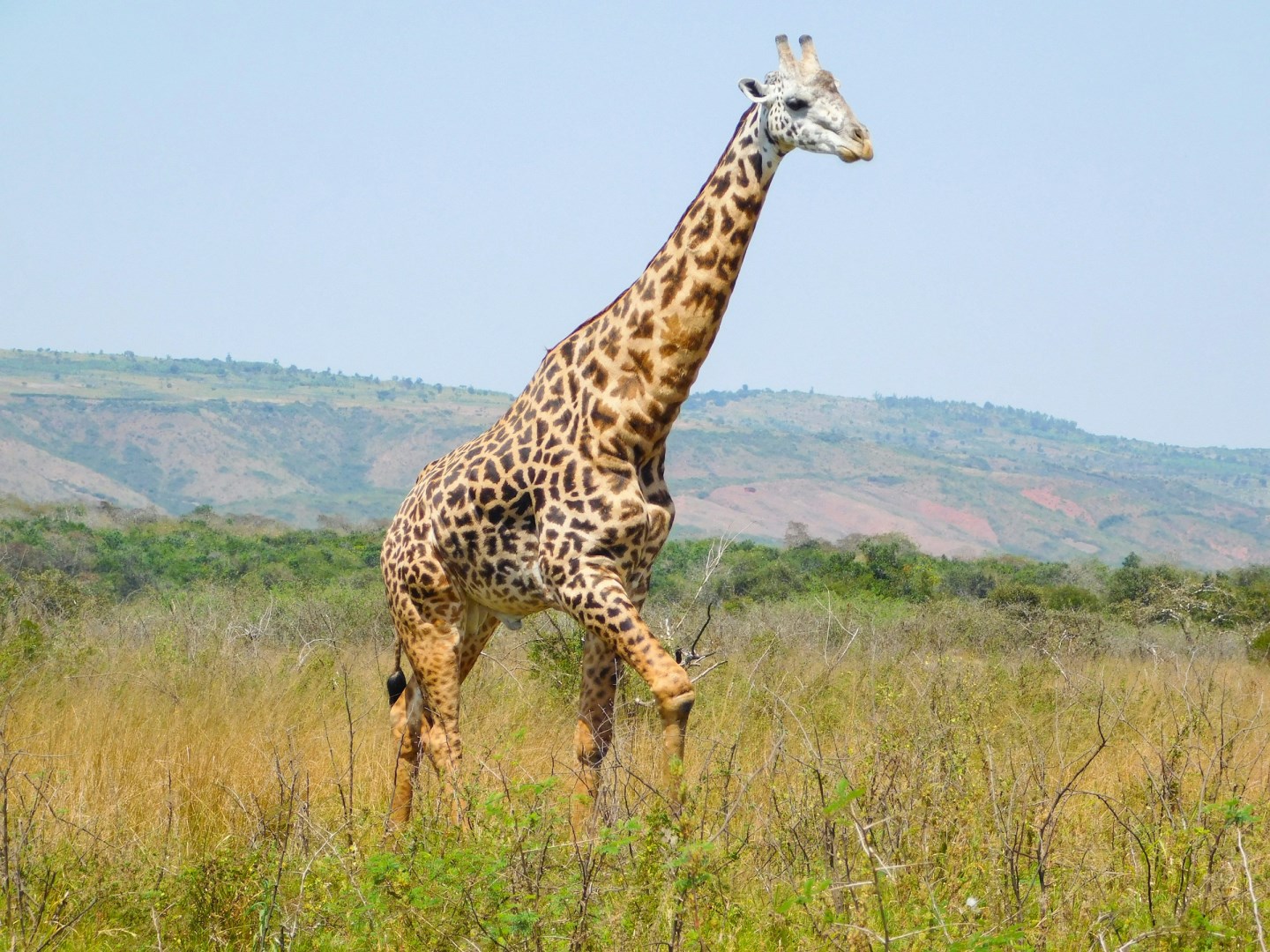
The park supports the African Big Five: lion, leopard, elephant, buffalo, and both eastern black and southern white rhinoceros. Other commonly recorded animals include giraffe, zebra, topi, impala, eland, hippo, and several antelope species. Its wetlands and lakes are particularly important for birds, with almost 500 species documented. Visitors can explore the park on guided game drives, boat trips on Lake Ihema, bird-watching excursions, and walking experiences. The mixture of lakes, papyrus swamps, open plains, and wooded hills provides different habitats within relatively short distances.
Akagera’s wetlands are also important for species that depend on permanent or seasonal water, including hippos, crocodiles, waterbirds, and fish. Lake Ihema is one of the best-known places for boat-based wildlife viewing, while the northern and central areas provide broad savanna landscapes for game drives. The park supports conservation-linked enterprises such as the Gishanda Fish Farm, which produces tilapia for nearby communities. Tourism revenue also contributes to a revenue-sharing program that supports community projects, including schools, health facilities, and cooperatives. Akagera therefore combines wildlife protection with programs designed to benefit people living around the park.